
Spinal Decompression Therapy: A Comprehensive Guide to Non-Surgical Relief for Back and Neck Pain
Introduction
If you’re dealing with persistent back pain, neck pain, or sciatica that just won’t quit, you’ve probably heard the term “spinal decompression therapy” thrown around. Maybe your doctor mentioned it, or perhaps a friend who found relief recommended it. But what exactly is spinal decompression therapy, and could it be the answer you’ve been searching for?
At Carlson Chiropractic Center, we’ve witnessed firsthand how spinal decompression therapy can transform lives. Patients who couldn’t sit through a movie without excruciating pain have found relief. People who had given up hope of playing with their grandchildren are active again. Individuals who were facing surgery as their only option discovered a non-invasive alternative. Many of these patients found remarkable relief through spinal decompression therapy.
Let’s dive deep into what spinal decompression therapy is, how it works, who it can help, and why it might be exactly what your spine needs to heal.
What Is Spinal Decompression Therapy?
Understanding the technology that’s helping thousands find relief from chronic spinal conditions
Spinal decompression therapy is a non-surgical treatment that uses computerized traction to gently stretch the spine. This stretching creates negative pressure within the spinal discs. The negative pressure acts like a vacuum, encouraging herniated or bulging disc material to retract back into the disc. At the same time, this process promotes the movement of oxygen, water, and nutrient-rich fluids into the discs, giving them the environment they need to heal properly.
Traditional traction methods have been around for decades, but they often triggered the body’s natural defense mechanisms. Your muscles would tense up, fighting against the pulling force and limiting the treatment’s effectiveness. Modern spinal decompression therapy solves this problem through computerized precision. The treatment cycles through carefully programmed patterns of distraction and relaxation, essentially “tricking” your muscles into staying relaxed. This allows for much deeper decompression and more effective healing than older traction methods could achieve.
How Does Spinal Decompression Therapy Work?
The science behind spinal decompression therapy is fascinating. When you lie on the decompression table, you’re positioned in a way that isolates the problem disc. The computer then controls a series of gentle pulls and releases, following a precisely programmed pattern designed to prevent your muscles from tensing up.
Here’s where it gets interesting. Under normal circumstances, your spinal discs are under constant compression from gravity, movement, and the weight of your upper body. This compression can prevent injured discs from receiving the nutrients they need to heal. It’s like trying to refill a sponge that’s constantly being squeezed. The sponge can’t absorb water until you release the pressure.
Spinal decompression therapy releases that pressure. During treatment, the negative pressure created inside the disc can drop as low as negative 150 to negative 200 millimeters of mercury. This vacuum effect serves two crucial purposes. First, it can actually pull herniated or bulging disc material back toward the center of the disc, taking pressure off pinched nerves. Second, it creates an environment where healing nutrients can flow into the disc, promoting genuine repair rather than just temporary pain relief.
The treatment itself is surprisingly comfortable. Most patients report a gentle pulling sensation and find the experience relaxing enough that they doze off during their sessions. Each treatment typically lasts approximately 10 minutes. Unlike surgery, there’s no recovery time afterward. You walk in, receive your treatment, and walk out ready to continue your day.
What Conditions Does Spinal Decompression Therapy Treat?
Spinal decompression therapy has proven effective for a wide range of spinal conditions, particularly those involving disc problems. Here are the conditions we most commonly treat with decompression therapy at Carlson Chiropractic Center.
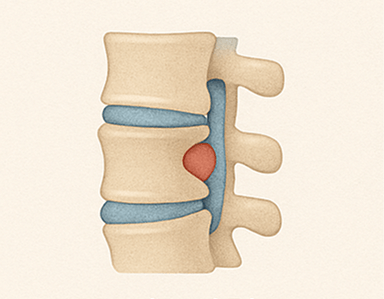
Herniated Discs
A herniated disc occurs when the tough outer layer of a spinal disc tears, allowing the soft inner material to push through.
This is one of the most common conditions we see, and it’s where spinal decompression therapy truly shines. The therapy can help retract that herniated material, documented by MRI studies showing actual reduction in disc herniations.
When patients come to us with a herniated disc diagnosis and symptoms like shooting leg pain or arm pain, spinal decompression therapy is often our first recommendation before considering more invasive options.
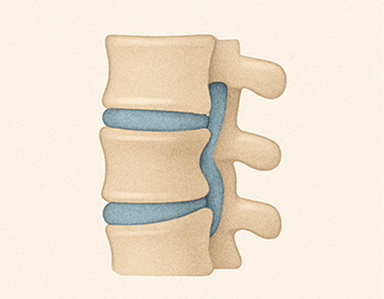
Bulging Discs
While similar to herniated discs, bulging discs haven’t actually torn or ruptured. Instead, the disc is protruding out into the spinal canal, often pressing on nerves and causing pain.
Spinal decompression therapy works beautifully for bulging discs because the negative pressure can help draw the bulging portion back toward its proper position.
Many patients with bulging discs experience relief relatively quickly because we’re addressing the mechanical problem directly.
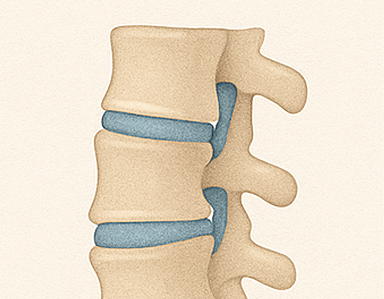
Degenerative Disc Disease
As we age, our spinal discs naturally lose hydration and height. For some people, this degenerative process causes significant pain and mobility issues.
Degenerative disc disease is essentially arthritis of the spine, where the discs break down through loss of hydration and the space between vertebrae narrows.
Spinal decompression therapy can help by rehydrating the discs and creating space between the vertebrae, often providing substantial relief even in advanced cases.

Sciatica
Sciatica isn’t really a diagnosis itself but rather a symptom of an underlying problem, usually a herniated or bulging disc in the lower back pressing on the sciatic nerve.
The sciatic nerve is the longest nerve in your body, running from your lower back down through your buttocks and legs.
When it’s compressed, the pain can be excruciating, often accompanied by numbness, tingling, or weakness extending all the way to your toes. Because spinal decompression therapy addresses the root cause by taking pressure off the nerve, many sciatica sufferers find dramatic relief.

Posterior Facet Syndrome
The facet joints are the small joints that connect your vertebrae to each other, allowing your spine to bend and twist.
When these joints become worn or injured, they can cause significant pain and stiffness.
While not the primary target of decompression therapy, many patients with posterior facet syndrome experience relief because decompression reduces overall stress on these joints and improves spinal alignment.

Spinal Stenosis
Spinal stenosis involves a narrowing of the spinal canal, which can compress the spinal cord and nerves.
This condition typically develops with age and can cause pain, numbness, and weakness in the legs.
Lumbar spinal stenosis is particularly common in adults over 60. Spinal decompression therapy can help create more space within the spinal canal, reducing pressure on neural structures and improving symptoms.
Failed Back Surgery Syndrome
Perhaps one of the most rewarding patient populations we work with is those who have already undergone back surgery but continue to experience pain. Failed back surgery syndrome is more common than most people realize, and these patients often feel hopeless. Spinal decompression therapy offers a non-invasive option that can address ongoing disc problems or adjacent segment issues that sometimes develop after spinal surgery.
Note: We can’t do spinal decompression therapy after patients have undergone spinal fusion surgery.
The Spinal Decompression Therapy Treatment Process
Understanding what to expect during spinal decompression therapy can help you feel more comfortable about the treatment.
1

Initial Consultation and Examination
Your journey begins with a thorough evaluation. We’ll review your complete medical history, discuss your symptoms in detail, and perform a comprehensive physical examination. This isn’t a quick once-over. It’s important that we understand exactly what’s causing your pain, where the problem is located, and whether spinal decompression therapy is the right treatment for you.
At this point, we’ll also review any imaging studies you’ve had, such as X-rays or MRIs. If you don’t have recent imaging, we may recommend getting some. Seeing what’s actually happening in your spine helps us create the most effective treatment plan possible. Not everyone is a candidate for spinal decompression therapy, and we’re committed to being honest about whether it’s likely to help your specific condition.
2

Creating Your Customized Treatment Plan
Once we determine that spinal decompression therapy is appropriate for your condition, we’ll design a treatment plan specifically for you. These plans typically involve 20 to 28 treatment sessions spread over 5 to 7 weeks, though your specific plan may vary depending on your condition’s severity and your response to treatment.
We often combine spinal decompression therapy with other treatments to maximize your results. This might include chiropractic adjustments, electrical stimulation, heat or cold therapy, therapeutic exercises, and nutritional counseling. The goal isn’t just to reduce your pain temporarily but to create lasting healing and help you maintain your results long-term.
3

What Happens During a Treatment Session
When you arrive for your spinal decompression therapy session, you’ll lie comfortably on the Kennedy Decompression table. Depending on whether we’re treating your neck or lower back, you’ll be positioned either face up or face down. A harness is fitted around your pelvis (for lower back treatment) or head (for neck treatment), which connects to the computer-controlled traction system.
The treatment begins gently, with the table slowly increasing the amount of traction applied. The computer cycles through periods of pulling and relaxation, following a precisely programmed pattern designed to prevent your muscles from tensing up. Most patients find the sensation quite pleasant, describing it as a gentle stretching feeling. Many people actually fall asleep during their sessions, which shows how relaxing the treatment can be.
Throughout your session, you’ll have a control button that allows you to pause the treatment at any time if needed, though this is rarely necessary. The entire session typically lasts 10 to 15 minutes. When it’s complete, the traction gradually releases, and you’re free to get up and go about your day. There’s no recovery period needed, no restrictions on activity, and no downtime.
4

Complementary Therapies
To enhance the effects of spinal decompression therapy, we may incorporate additional treatments into your session. Electrical muscle stimulation can help relax tense muscles and promote healing. Heat therapy increases blood flow to the treatment area, while cold therapy can reduce inflammation. These complementary therapies work synergistically with decompression to speed your recovery and maximize your results.
We also emphasize the importance of at-home care. You may need specific stretches and exercises designed to support your healing, improve your posture, and prevent future problems. Many patients find that these simple exercises make a significant difference in how quickly they recover and how well they maintain their results.
The Science Behind Spinal Decompression Therapy
Let’s talk about the research. Spinal decompression therapy isn’t just based on hope and good intentions. Clinical studies have documented its effectiveness, particularly for disc herniations and related conditions.
One significant study reported the reduction of disc herniations, documented by MRI imaging, in the majority of patients treated with spinal decompression therapy. Think about what that means. Actual structural changes, visible on MRI scans, showing that herniated disc material had been drawn back into the disc. That’s not just pain management. That’s genuine healing.
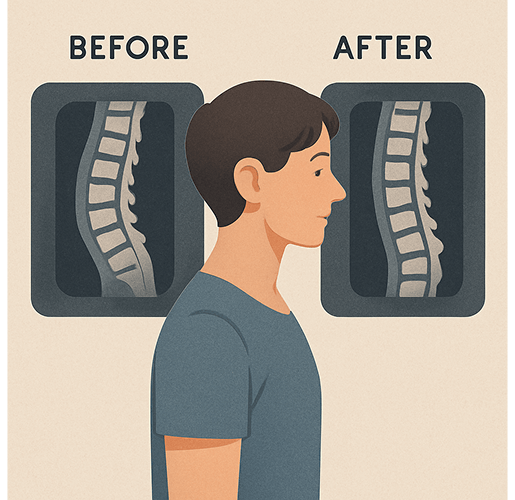
Another study followed patients with ruptured discs and found that the majority achieved good to excellent results after completing spinal decompression therapy. These weren’t patients with minor complaints. These were individuals with documented disc ruptures, many of whom had been told surgery was their only option.
What makes these results particularly impressive is that they were achieved without surgery, without injections, and without potentially addictive pain medications. The treatment works with your body’s natural healing mechanisms, creating the conditions necessary for injured discs to repair themselves.
Research has also shown that spinal decompression therapy is more effective than traditional traction methods. The key difference lies in the computerized control system. Traditional traction would pull steadily, triggering muscle guarding that limited the treatment’s effectiveness. The cycling pattern of distraction and relaxation used in spinal decompression therapy prevents this muscle guarding, allowing for deeper decompression and better results.
Who Is a Good Candidate for Spinal Decompression Therapy?
While spinal decompression therapy can be incredibly effective, it’s not right for everyone. Understanding who makes a good candidate helps ensure the best possible outcomes.
Ideal Candidates
 Pain related to disc problems in neck or lower back
- Haven’t responded well to conservative treatments
- Want to avoid surgery or try alternatives first
- Reasonably good overall health
- Motivated to participate in recovery
- Willing to commit to full treatment protocol
- Open to making lifestyle changes for spinal health
Conditions That May Prevent Treatment
 Pregnancy
- Severe osteoporosis
- Spinal fractures
- Tumors affecting the spine
- Abdominal aortic aneurysm
- Advanced spinal stenosis with significant nerve damage
- Certain types of spinal hardware (requires evaluation)
Age Is Not a Limiting Factor
We’ve successfully treated patients in their 80s with spinal decompression therapy. What matters more is your overall health status and the specific nature of your spinal condition.
During your initial consultation, we’ll determine whether you’re a good candidate and be upfront about what kind of results you can realistically expect.
How Spinal Decompression Therapy Compares to Other Treatment Options
When you’re dealing with chronic back or neck pain, understanding all your options helps you make the best decision for your situation. Let’s look at how spinal decompression therapy stacks up against other common treatments.

Spinal Decompression vs. Surgery
- Completely non-invasive—no cutting, anesthesia, or hospital stay
- No recovery period needed
- Continue normal activities during treatment
- Significantly lower cost
- No risk of infection, nerve damage, or surgical complications
- No guarantee surgery won’t fail (failed back surgery syndrome is common)
Surgery has its place for severe instability, progressive neurological damage, or cauda equina syndrome. We’ll refer you if surgery is truly necessary.

Spinal Decompression vs. Pain Medications
- Addresses underlying problem, not just symptoms
- No risk of addiction (21–29% of opioid patients misuse them)
- No side effects from long-term medication use
- Facilitates actual healing, not just pain masking
- Many patients reduce or eliminate medication use
- Creates lasting relief, not temporary symptom management
Medications can help manage pain during healing, but they don’t promote the healing process itself.

Spinal Decompression vs. Physical Therapy
- Creates negative intradiscal pressure PT can’t achieve
- Directly addresses disc herniation structural issues
- Works beautifully in combination with PT
- PT strengthens while decompression heals the disc
- Together they provide comprehensive treatment
- Decompression + PT often more effective than either alone
Physical therapy is valuable and often recommended alongside decompression therapy for optimal results. The two approaches work beautifully together, with decompressionaddressing the structural problem while physical therapy builds strength and helps prevent recurrence.

Spinal Decompression vs. Traditional Chiropractic
- Gentler approach for significant disc herniations
- Addresses disc problem before aggressive manipulation
- Reduces herniation and takes pressure off nerves first
- Can use adjustments once decompression creates healing
- Both approaches work synergistically
- Allows treatment when manipulation isn’t initially advisable
We often use decompression and adjustments in sequence or simultaneously, depending on your condition.
Real Results: What Patients Experience with Spinal Decompression Therapy
Theory and research are important, but what really matters is how patients feel after treatment. At Carlson Chiropractic Center, we’ve seen remarkable transformations through spinal decompression therapy.
Many patients notice improvement within the first few sessions, though the timeline varies depending on the severity of their condition. Some feel immediate relief after their first treatment, while others need several sessions before noticing significant changes. Either way is normal. Healing takes time, and we’re creating lasting change, not just temporary symptom relief.
Patients frequently report that shooting leg pain or arm pain decreases first, followed by improvements in numbness and tingling. Range of motion typically improves as treatment progresses, making it easier to bend, twist, and perform daily activities. Many people are surprised by how much their energy levels increase as their pain decreases.
The goal of spinal decompression therapy isn’t just to get you through your treatment sessions. We want to see you return to the activities you love. That might mean getting back to your favorite sport, playing with grandchildren without pain, sleeping through the night, or simply sitting through a movie comfortably. These quality-of-life improvements are what truly matter.
We’ve treated patients who were facing surgery and were able to avoid it completely through spinal decompression therapy. We’ve helped people who had been told they’d just have to live with their pain discover that significant relief was possible. We’ve worked with individuals who had suffered for years, trying every treatment imaginable, finally finding the solution they’d been searching for.
<iframe title=”YouTube video player” src=”https://www.youtube.com/embed/2dJJN2NOWVE?si=lhLqp8AFlibfegyM” width=”100%” height=”500″ frameborder=”0″ allowfullscreen=”allowfullscreen”>
Maintaining Your Results After Treatment
Completing your spinal decompression therapy treatment is an achievement worth celebrating, but maintaining those results requires ongoing effort. Think of it like going to the gym. You can get in great shape through dedicated training, but if you stop exercising completely, you’ll eventually lose those gains.
After finishing your initial treatment protocol, we’ll work with you to develop a maintenance plan. This might include periodic “tune-up” sessions of decompression therapy, especially if you have a physically demanding job or lifestyle. Most patients don’t need ongoing treatment as frequently as their initial protocol, but occasional sessions can help prevent problems from recurring.
Lifestyle modifications play a crucial role as well. We’ll discuss ergonomic improvements for your workspace, proper lifting techniques, sleeping positions that support spinal health, and activities to avoid or modify. Small changes in how you move through your day can prevent future disc problems.
Regular chiropractic check-ups are another important component of maintenance. Even when you’re feeling great, periodic adjustments help keep your spine aligned and functioning optimally. Many of our patients transition to wellness care after completing their spinal decompression therapy, visiting monthly or every few months to maintain their spinal health.
Why Choose Carlson Chiropractic Center for Spinal Decompression Therapy
When you’re considering spinal decompression therapy, choosing the right provider makes all the difference. At Carlson Chiropractic Center, we’ve invested in the Kennedy Decompression system specifically because it represents a high standard in decompressive therapy. The Kennedy system’s design and proven track record set it apart from other decompression tables. Its unparalleled precision allows us to target specific discs with accuracy that simply isn’t possible with less sophisticated equipment. The system can treat both cervical (neck) and lumbar (lower back) conditions, making it versatile enough to address a wide range of spinal problems.
Our doctors bring years of experience and specialized training in spinal decompression therapy. We understand the biomechanics of the spine, how to position patients for optimal results, and how to adjust treatment protocols based on each individual’s response. This expertise matters because spinal decompression therapy, while generally safe, requires skill and knowledge to administer effectively.
We’ve also cultivated a patient-centered approach that extends beyond just providing treatments. We take time to listen to your concerns, answer your questions, and explain exactly what’s happening during your care. You’re never rushed through your appointments, and you’ll always know what to expect at each stage of treatment.
Being part of the Joplin community for nearly two decades has given us deep roots and lasting relationships. We’re not just treating patients. We’re caring for our neighbors, friends, and fellow community members. That sense of connection and responsibility drives us to provide the highest quality care possible.
Taking the Next Step
If you’re struggling with chronic back pain, neck pain, sciatica, or disc problems, you don’t have to just live with it. You don’t have to rely on medications that only mask the pain. And you don’t necessarily have to resort to surgery.
Spinal decompression therapy offers a proven, non-surgical option that addresses the root cause of many spinal conditions. It’s comfortable, safe, and backed by research showing real structural improvements in herniated and bulging discs. For many patients, it’s the turning point between living with constant pain and getting back to the life they want to lead.
At Carlson Chiropractic Center, we’re committed to helping you achieve lasting relief and improved quality of life. We’ll take time to understand your specific situation, determine whether spinal decompression therapy is right for you, and create a customized treatment plan designed to get you the best possible results.
Your spine is the foundation of your body’s structure and the highway for your nervous system. When it’s healthy, everything works better. When it’s injured, pain can affect every aspect of your life. Spinal decompression therapy gives your spine the opportunity to heal properly, setting you up for long-term health and wellness.
The journey to a healthier, pain-free spine starts with a single step. Let us walk that path with you. Contact Carlson Chiropractic Center today and discover how spinal decompression therapy could change your life.
Related Blogs

Benefits of Chiropractic Care for Bulging & Herniated Discs
Bulging vs herniated disc: Learn the key differences, symptoms, and non-surgical treatment options. Expert spinal decompression therapy in Joplin, MO.

Can spinal decompression fix sciatica pain?
Discover how spinal decompression therapy treats sciatica without surgery. Get non-invasive relief for shooting leg pain, numbness & tingling…